CELERCH charges work.
A fast-charging electric two-wheel system for fleets, campuses, and local operators who need reliable vehicles on the road, not waiting at a socket.
Turn charging from downtime into dispatch time.
Standard two-wheel charging can trap vehicles for hours. CELERCH shortens the loop so riders, couriers, and site teams can return to work with confidence.
Typical AC charging creates long parking dwell time and unpredictable vehicle availability.
Matched CELERCH battery and DC charger target fast 20-80% energy recovery.
The vehicle stack is designed together.
Instead of forcing operators to stitch hardware and software vendors together, CELERCH standardizes the battery, charger, and motorcycle experience.
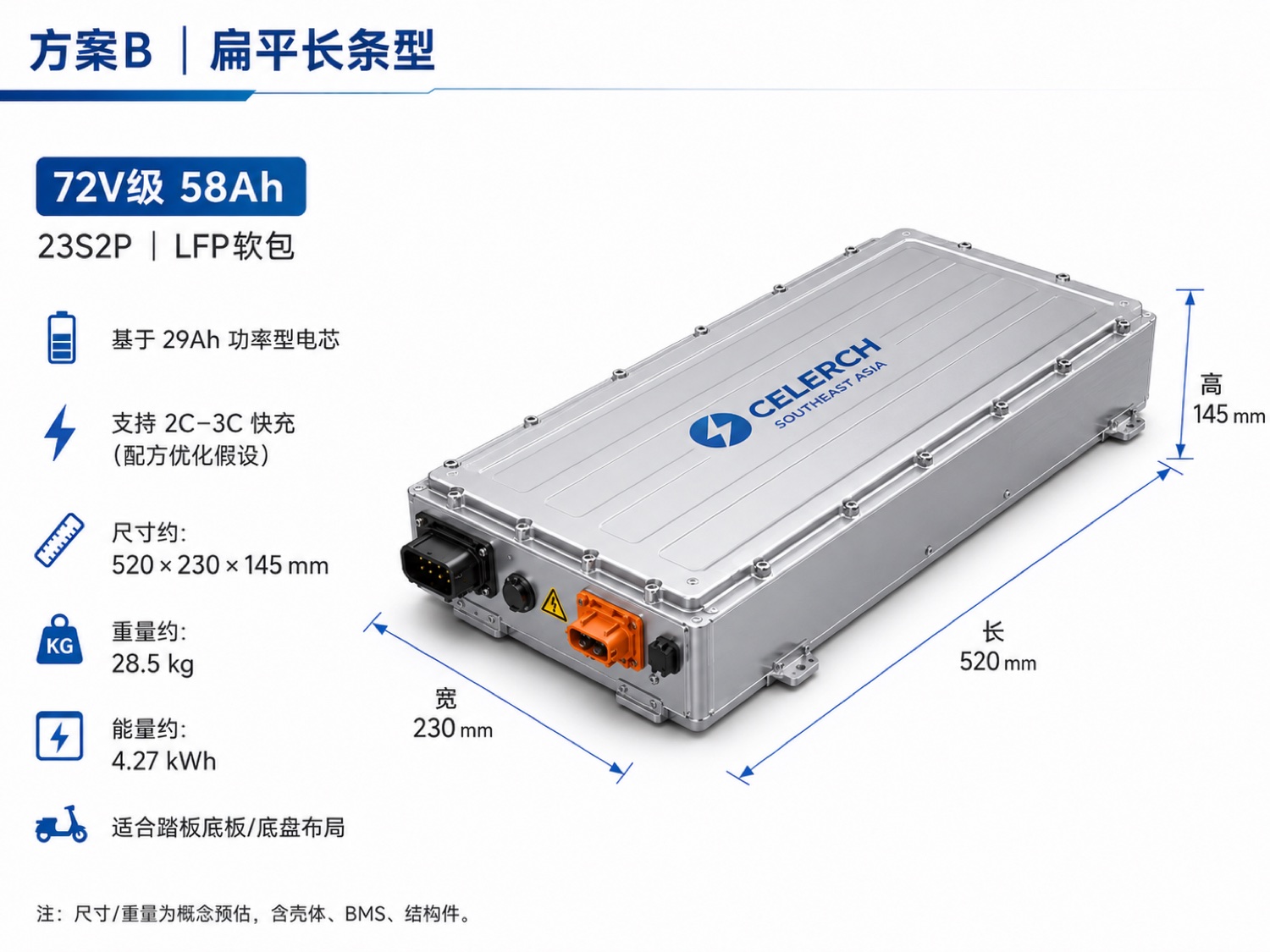
Smart battery packs
Thermal monitoring, pack identity, and safety telemetry give operators a clearer view of every battery in service.
View details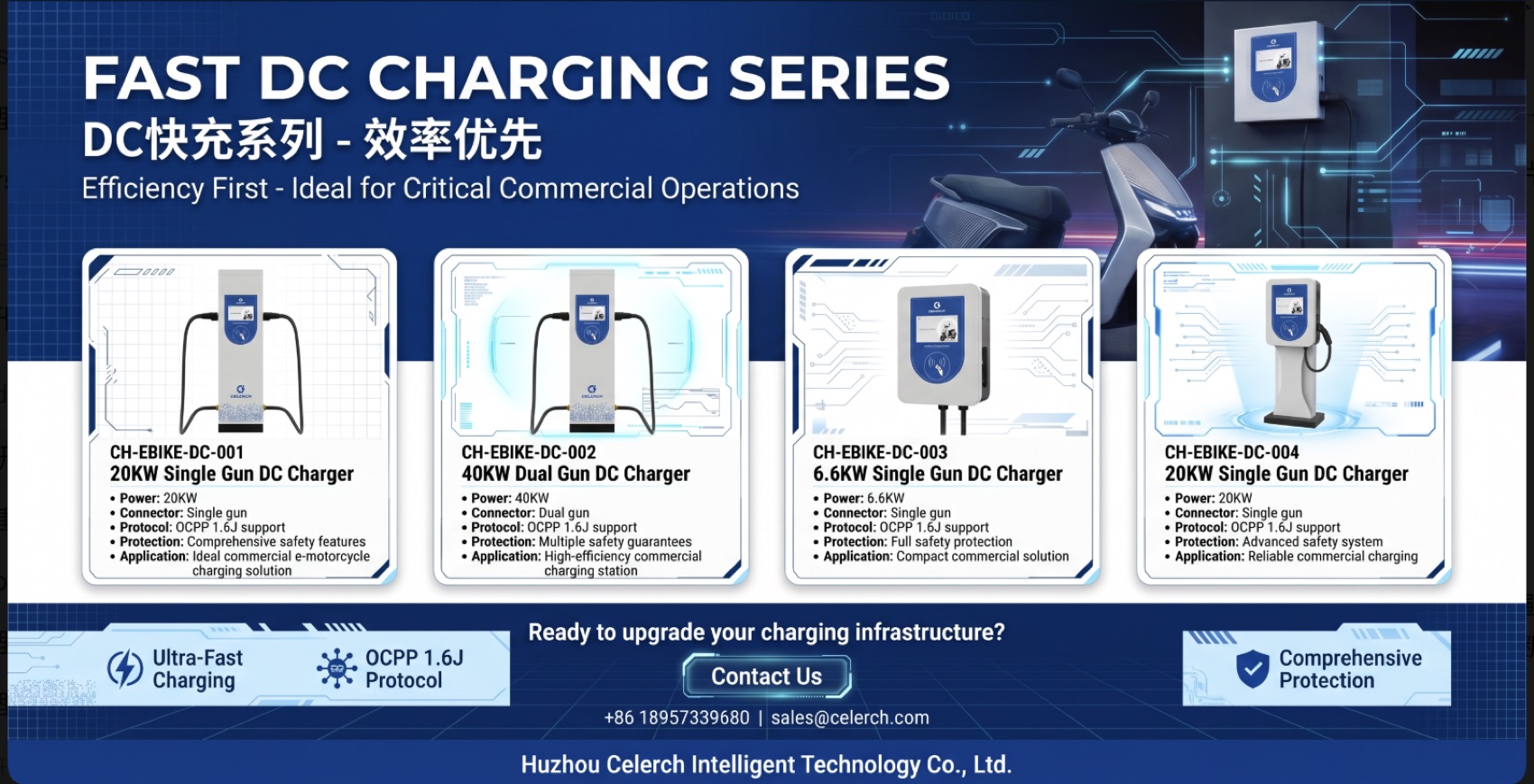
OCPP fast chargers
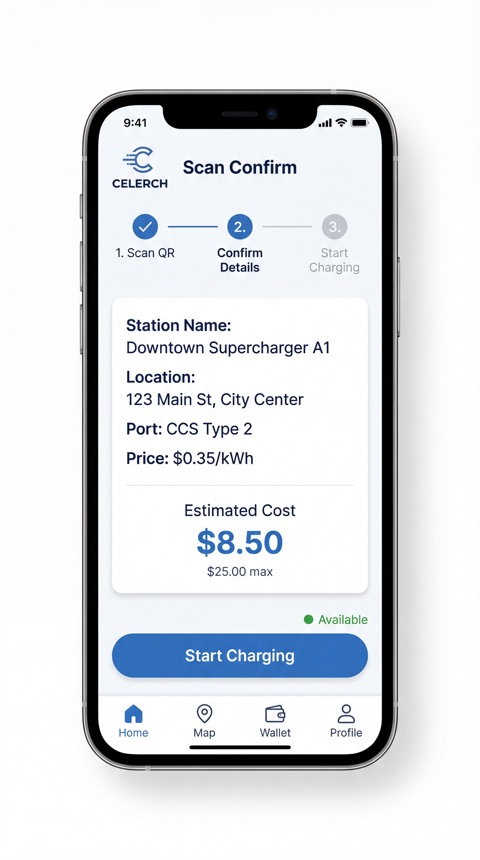
Remote start, session tracking, wallet holds, and operator settlement are built for real stations and weak networks.
View details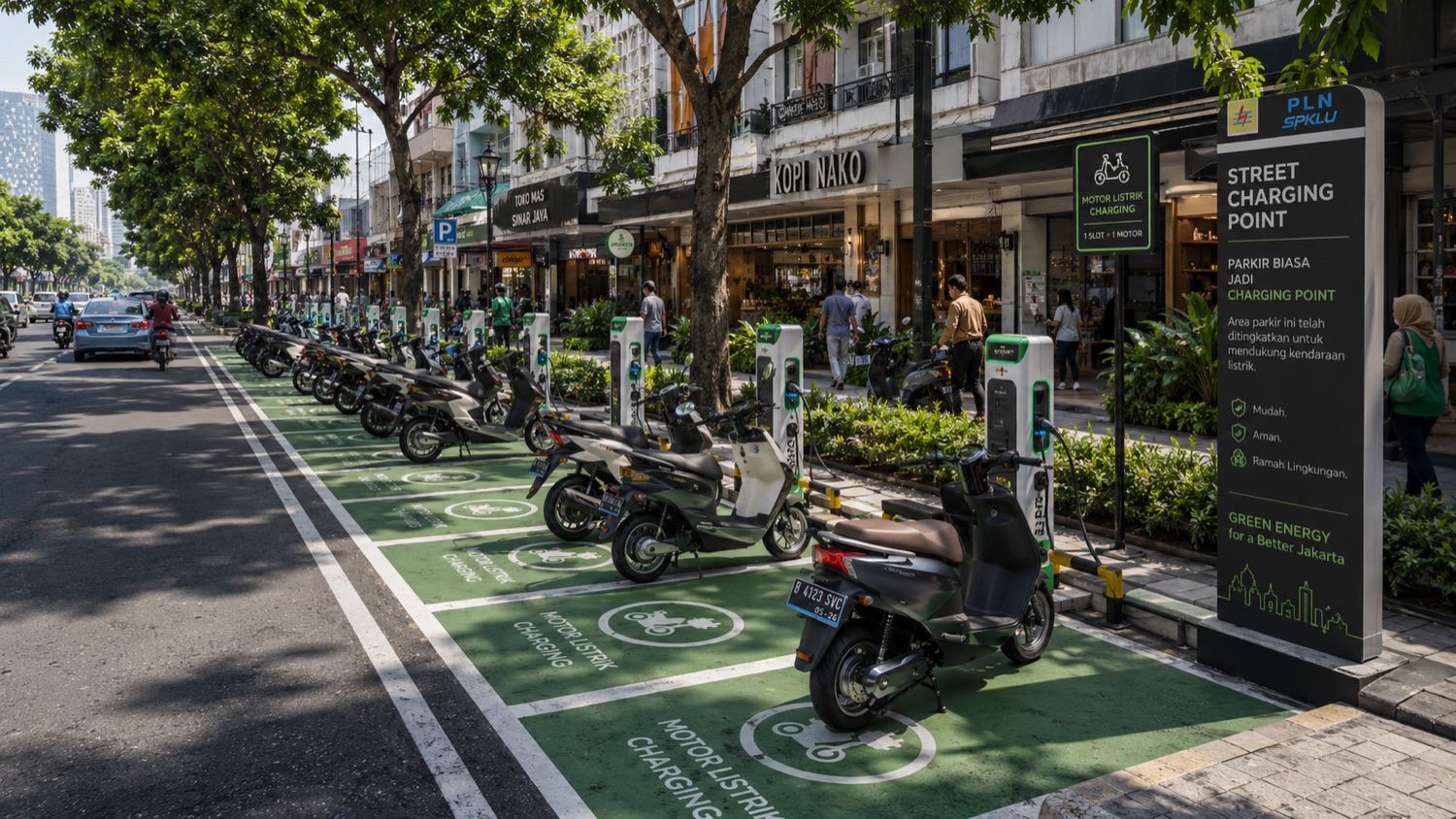
Connected motorcycles
Two-wheel EVs shaped for delivery, campus mobility, rental fleets, and overseas station pilots.
View details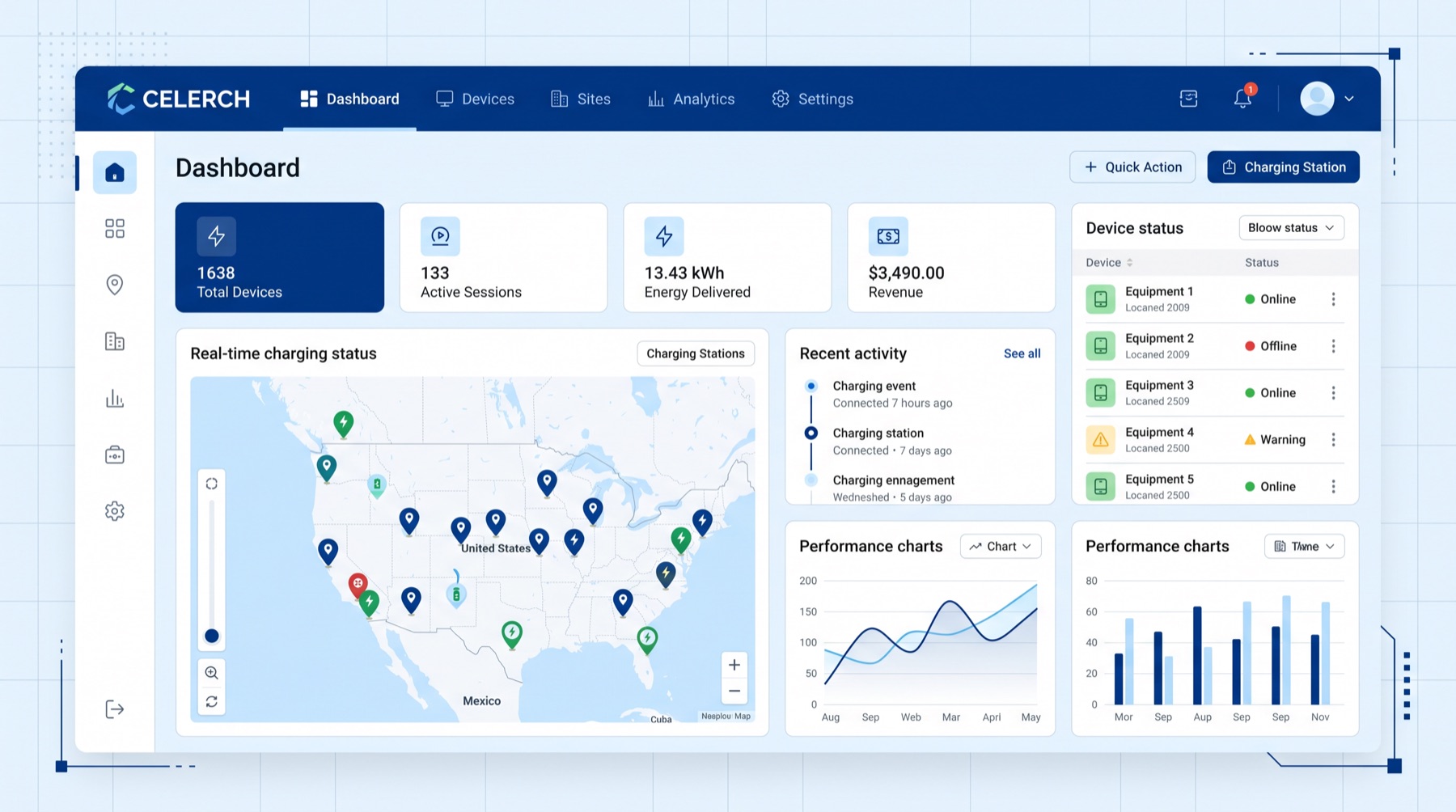
The layer that turns chargers into a network.
OCPP operations
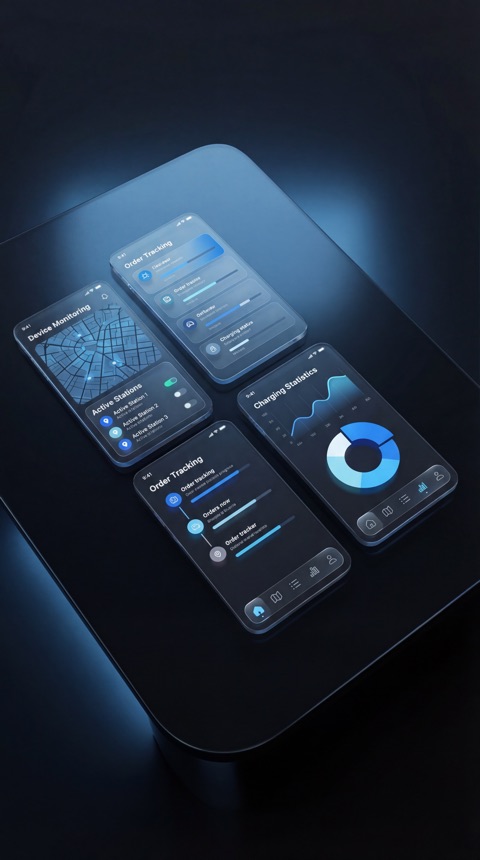
Monitor charger status, remote start and stop sessions, inspect logs, and keep the station visible when field conditions get messy.
Payment-safe sessions
Start sessions with an authorized hold, then capture the real amount and release the rest after StopTransaction.
Export-ready app layer
Mini app and admin flows support Chinese, English, and Bahasa Indonesia so pilots can move beyond a single domestic market.
Weak-network recovery
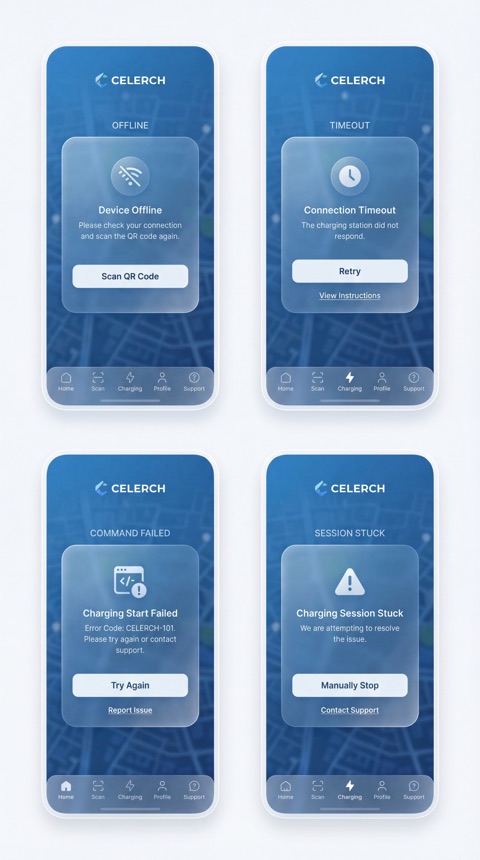
Idempotent start and stop requests, 5-second session polling, and payment recovery reduce the support burden at real sites.
The product is being hardened for real stations.
Overseas pilots need clean charging sessions, recoverable payments, and fewer field failures. The platform is designed around those operating constraints.
Start with one site. Prove the loop. Then scale the network.
We help operators validate battery compatibility, charger uptime, rider flow, wallet settlement, and maintenance response before rolling out across more stations.